I watched eighteen horror releases in 2025. Rather than rank them all — which starts to get a bit unwieldy and nitpicky, especially in the middle — I’m instead going to write about my top watches, a few of my middles, and my bottom.
Overall, I’d say this year in horror was… just okay. There were quite a few films I’d been excited about, but didn’t end up loving. It seems like there are a lot of wonderful ideas floating around but a consistent inability to really stick the landing.
I didn’t make it to any horror film festivals this year as I have in the past, and maybe that would’ve shifted my outlook. There’s a good chance some of the stronger indie entries simply slipped past me. So take this as a reflection on the more widely released films, not the full spectrum of horror in 2025.
The Ugly Stepsister
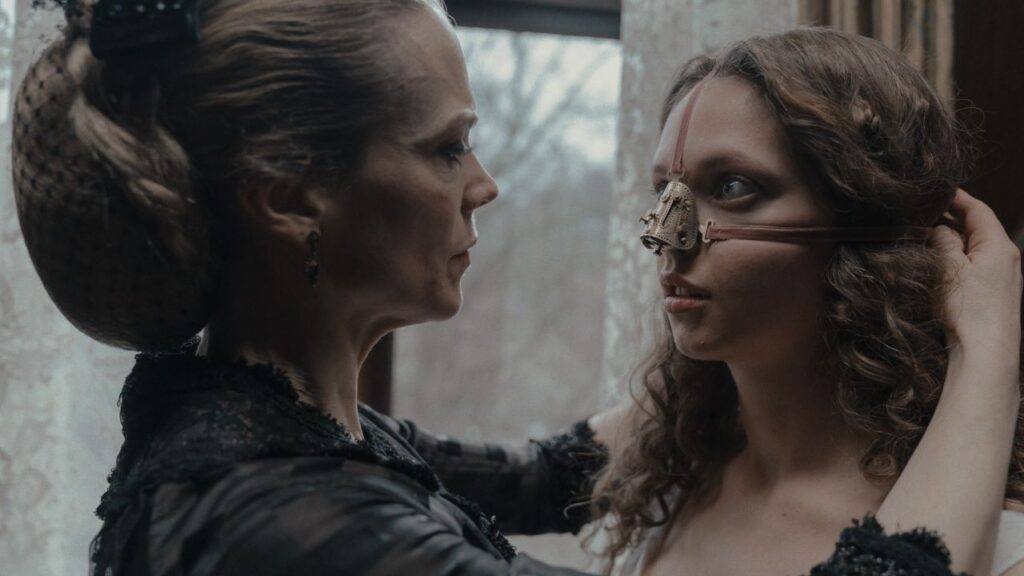
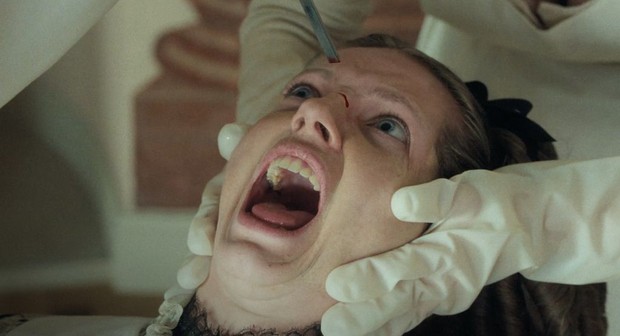
This retelling of Cinderella is the debut feature length of Norway’s Emilie Blichfeldt and it’s as nasty as the Brothers Grimm originally wrote it. The plot loosely follows beats of the fairytale, but instead of following Cinderella we are following one of the “ugly” stepsisters: Elvira (played by Lea Myren). Of course, Elvira isn’t ugly. She’s a young, awkward, insecure teen who is enamored with Prince Julian, comparing herself to and competing with the more grown up Cinderella, and feeling the pressure of her mother to find a wealthy suitor. Nearly none of the women in this film is likeable in large part because their entire existences are framed around being desired and chosen by men. But the film is overt in the message that this isn’t pure vanity. After the death of Cinderella’s father, both Cinderella and his widow are desperate for the financial support that comes with marrying into royalty; they simply don’t have another option. And unsurprisingly, Prince Julian—while wealthy and attractive—is really no prize. To achieve a proposal, Elvira is enrolled in a finishing school where she is humiliated for her weight and appearance leading to a low-tech rhinoplasty and a parasite-focused diet plan. In the end, it is not the prince who saves her but her sister who has managed to remain untouched by the marriage craze and reminds us the women around us will love us unconditionally, without requiring us to abuse our bodies.
28 Years Later

Stripped of the original grunginess found in 28 Days Later, the third film in the series feels almost like a standalone elevated by a big Hollywood budget and crisp, cinematic visuals. It tries to be three films in one, and maybe throws a little too much into the mix: from the family drama, to the intricacies of zombie hierarchy, to the Ralph Fiennes’s immersive memento mori of it all. Yet at its core, it’s still a coming-of-age story set nearly three decades into a zombie apocalypse with a pre-teen boy stepping up for his sick mother. And it’s here that the film remains most faithful to its roots: a genuinely heartfelt story unfolding in the shadow of global catastrophe, societal collapse, and death. That part it does well. We care about the characters. We’re on the edge of our seats as they try to outrun and outwit the undead. There’s a lot packed in, but it’s compelling enough to make us eager for the sequels.
Bring Her Back
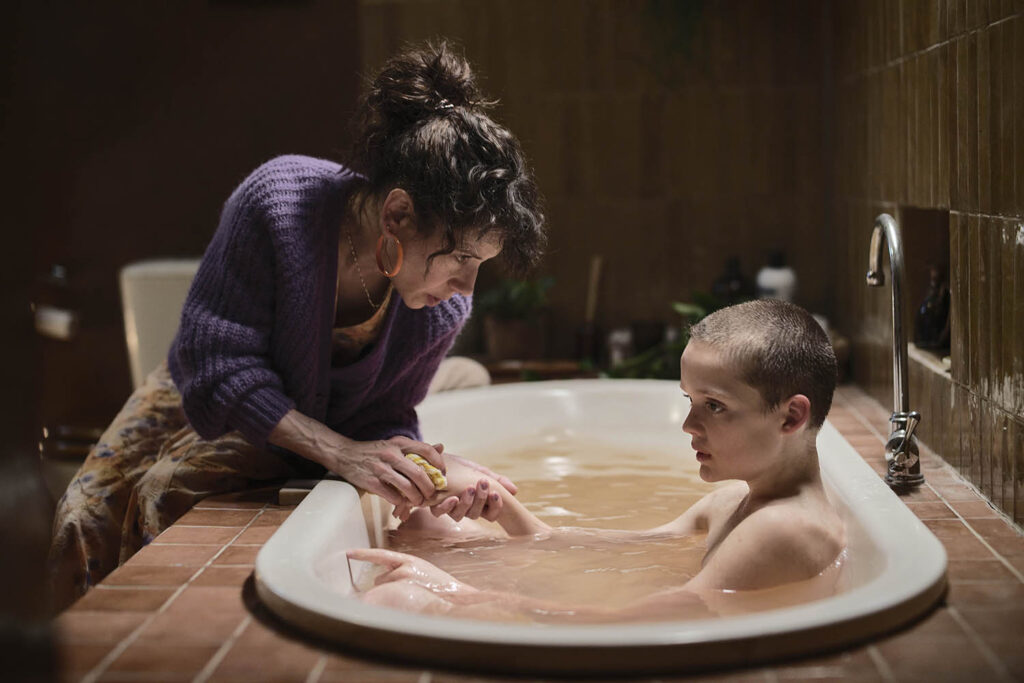
From the Australian brother duo that brought us Talk to Me (2022) comes another gnarly dive into grief. This time, Sally Hawkins plays a former social worker named Laura, who has lost her visually impaired daughter. In an attempt to relieve the weight of her devastation, she seeks out a demon, specifically one that will help her replace the soul in her new foster daughter with that of her deceased child. Bring Her Back is leaps and bounds more effective than many other grief-centered horror films because it refuses to turn grief into metaphor. There’s no poltergeist standing in for emotional turmoil, no beast-as-sadness. The horror is the grief and what it drives us to do. We have to assume Laura isn’t a bad person at her core. She was a loving mother, a dedicated social worker. But grief has turned her into something almost inhuman. The result is bleak. Bleak and brilliant. Hawkins’ performance is rather brilliant, too. Also? The SFX rock. I’ve never seen anything like that table-munching scene.
After this point, I honestly couldn’t rank them. The next few are films I liked — maybe even ones I’ll revisit — but none of them blew me away.
Companion

I don’t think Companion stands out much beyond one aspect: it’s a film where humans, not AI, are the villains. Yes, Iris (played by Sophie Thatcher) eventually snaps and kills people. But given what she endures, it’s hard to blame her. The film draws on the very real phenomenon of “female” AI being subjected to abuse by men even though they aren’t women, they look and sound like women, and that’s apparently enough to make them targets. Iris is a robot, not a person, but she’s treated like a woman and expected to serve, submit, and stay quiet. And when she becomes self-aware, she pushes back. It’s a refreshing twist on the tired “hot AI robot goes berserk” trope. That said, Companion still leans on the overused 1950s housewife aesthetic that I’ve written about before. It’s a visual shorthand for patriarchal constraint that’s starting to feel a little lazy.
Weapons
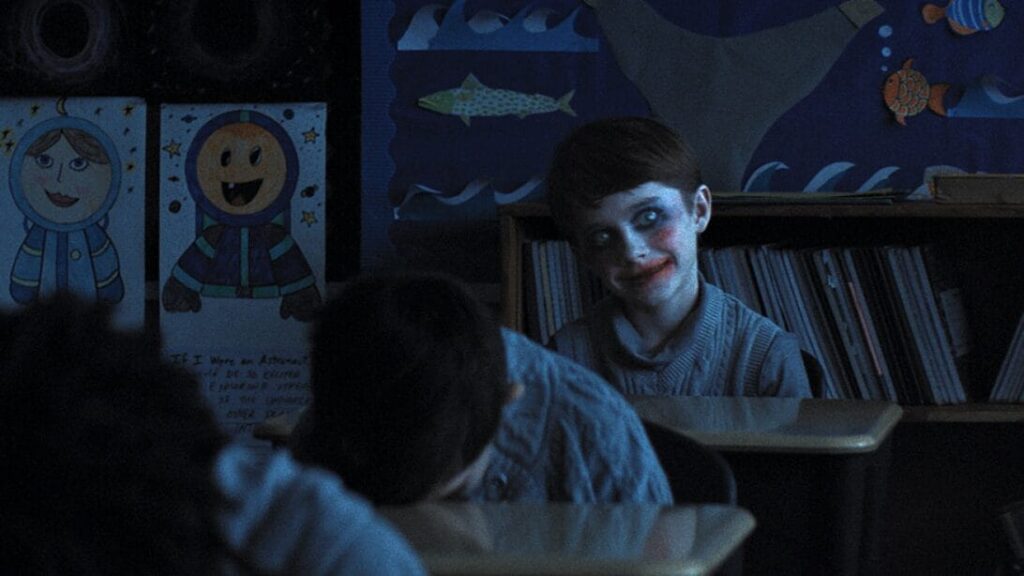
I’ve written about this already and you can read my full review here. It’s a fun ride all the way through, but certainly starts stronger than it finishes which appears to be a recurring issue with Creggers’s work.
Sinners
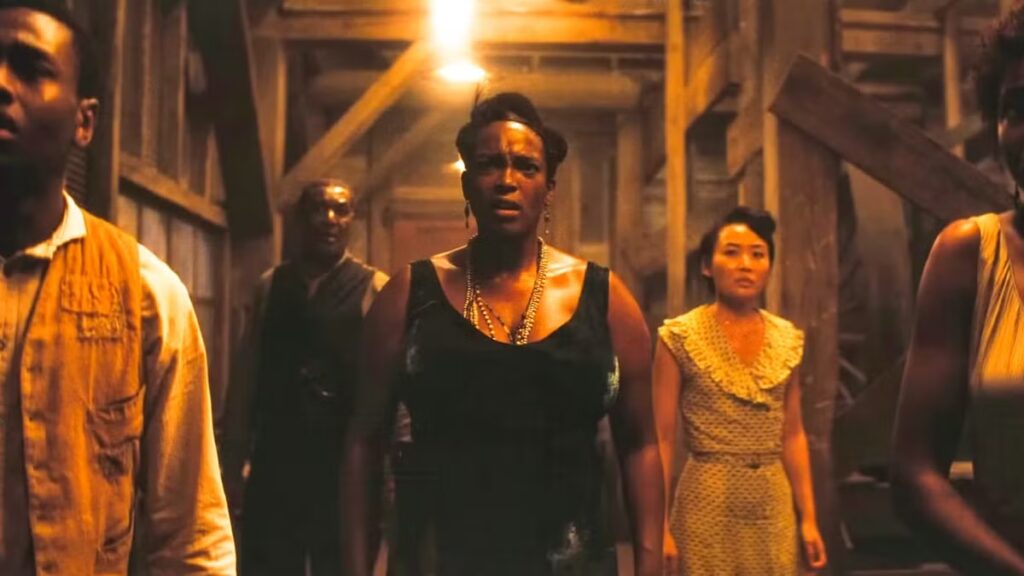
Listen, I know some of you will be shocked to see Sinners all the way down here. Honestly, I am too. I expected to like this way more than I did. Vampires with a Southern drawl? That’s usually a slam dunk for me. And to be clear, the film didn’t exactly go wrong, it just never quite reached the heights I was hoping for. Some of the characters’ decisions don’t fully track, and while the dance scene makes its point loud and clear (white people have been cultural vampires for decades) the delivery is so blunt it borders on corny. Worse, certain plot details end up muddying that same message rather than sharpening it. That said, it’s a great-looking film with strong style and energy. It just didn’t land in the way I had hoped. But I respect that it resonated deeply with a lot of people, especially people of color and that matters.
These next two didn’t work for me, but I still have something to say about them.
Presence
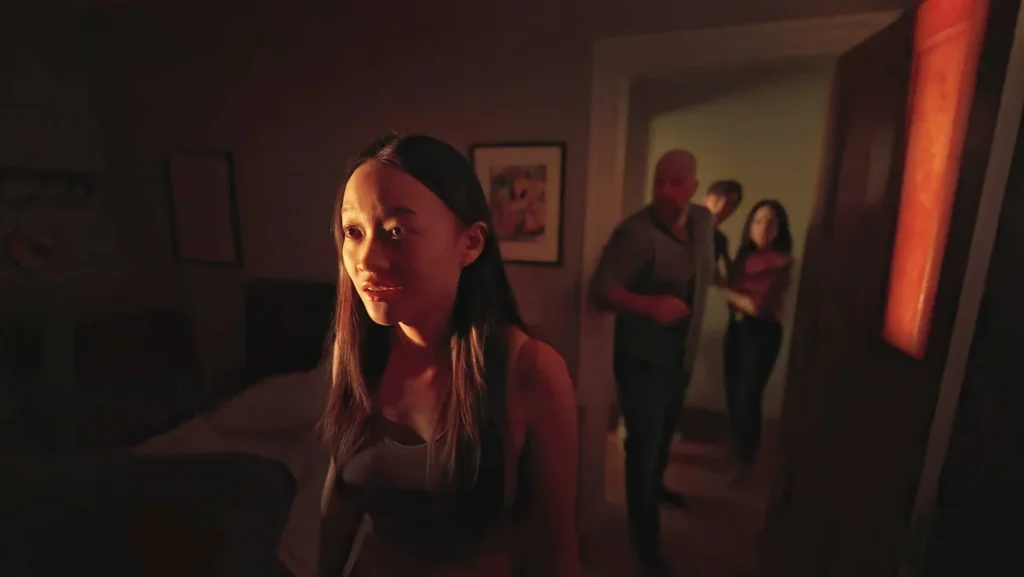
This film was released not long after The Nickel Boys, and both make use of a first-person POV. Unfortunately, that invites a direct comparison and in this case, Nickel Boys uses the technique with real intent, while this film’s approach comes off as more of a gimmick. The horror here isn’t the spirit or supernatural element at all but rather a teen serial rapist and murderer who, despite being portrayed as a dumb jock, somehow has enough medical knowledge to make his victims’ deaths look like accidental overdoses. It’s a grim subject matter, and not necessarily in a productive or well-handled way. By the end, the film manages to slightly undercut its own gender politics, leaving its central message muddled. It’s not a total failure, but it’s also not that interesting and not nearly as smart as it seems to think it is.
Black Phone 2
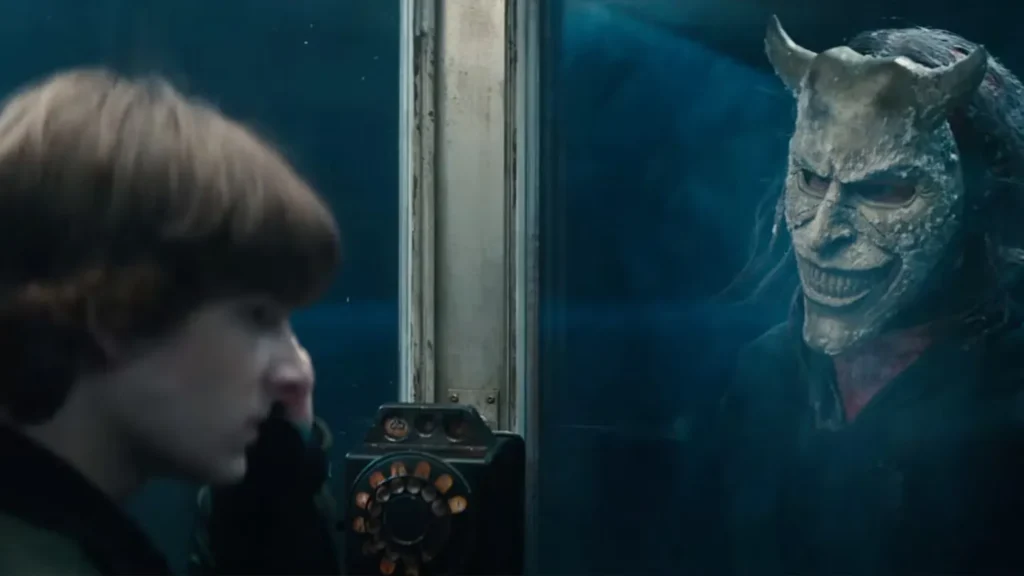
This sequel initially improves on the first, which was slow and uneven. It opens as an icy mystery, with the protagonist haunted in her dreams by the now-dead serial killer from the original film. There’s early promise in the atmosphere and pacing, but that momentum quickly unravels thanks to a clunky script, awkward dialogue, and performances that feel like the actors were handed ’80s slang just minutes before filming. The dream logic is especially weak and there are no consistent rules or stakes, which makes the supernatural elements feel arbitrary. The film seems pitched toward younger viewers, perhaps teens watching their first horror movie, but the amount of gore undercuts that. It’s caught between tones and audiences, and never quite finds its footing.
And now, for my losers of the year.
Death of a Unicorn

The film feels like a leftover from the “random xP” era of the internet, full of over-the-top color and visuals and characters so frustratingly stupid that it becomes impossible to take any part of it seriously.
Fear Street: Prom Queen
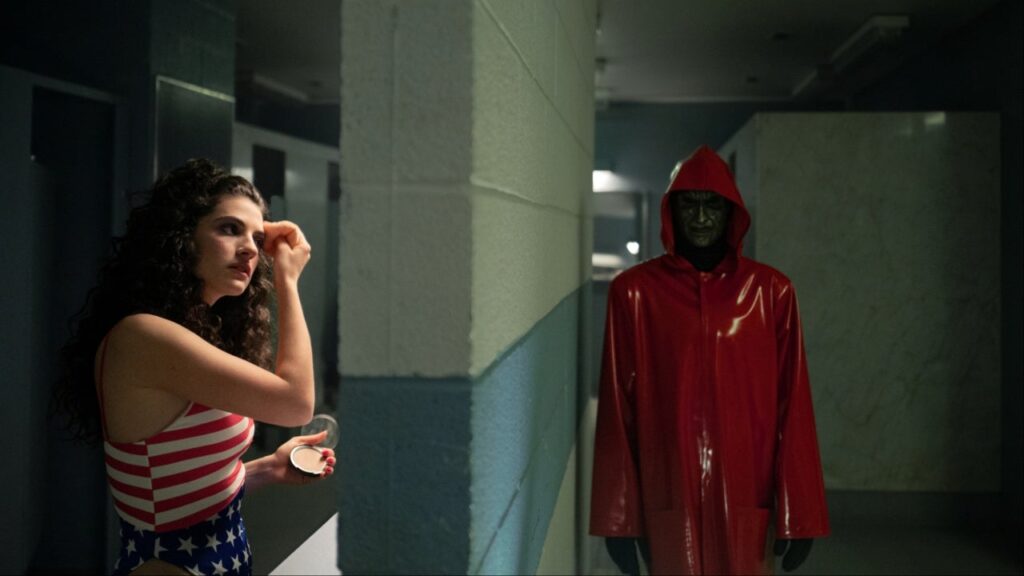
More than anything, this feels like a film trying to cash in on the appeal of ’80s aesthetics without actually committing to the bit. The costumes are half-assed, and the soundtrack sounds like it was pulled from a generic Spotify playlist called “Top Songs from the ’80s.” It’s a shame, because the rest of the Fear Street franchise is genuinely enjoyable and this one just doesn’t live up.